
The Disappearing Act of Nonnenhorn’s Local Pharmacy
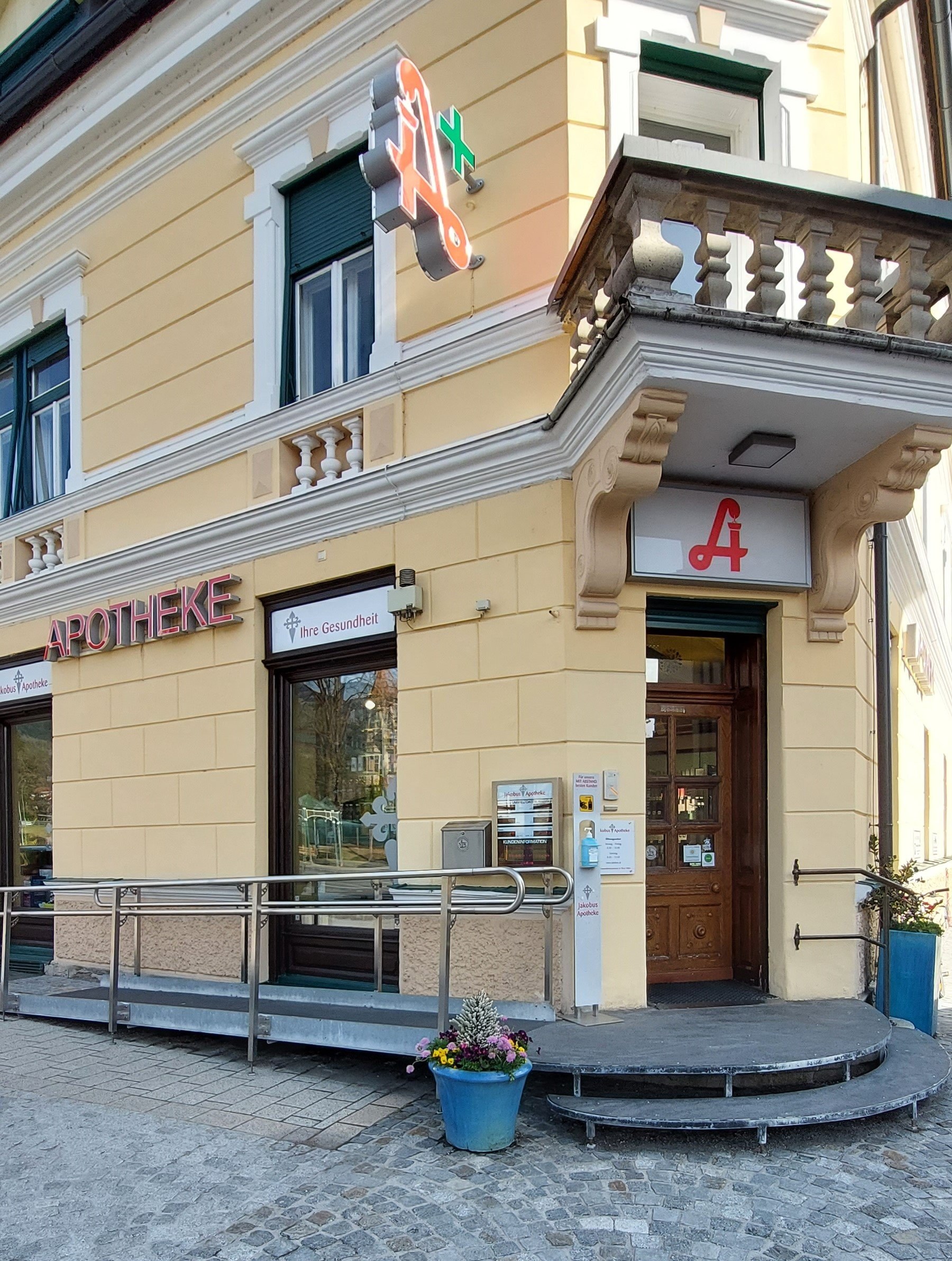
08382 8451. That was the number people dialed in Nonnenhorn when they needed medical supplies right away. It was a simple sequence of digits, a lifeline for those living near the Bodensee who needed more than just a bandage for a scraped knee. Today, that number leads to a ghost of a service, a digital echo of a physical shop that used to stand at Seehalde 5.
The situation with the Jakobus Apotheke is a clear example of how rural European commerce is changing. One minute you’re looking for a place to pick up a prescription; the next, you’re staring at a “Permanently Closed” sign on a digital map. It’s a jarring shift for a community that depends on local shops to stay healthy and independent.
In small German towns, the pharmacy is often the only medical professional a resident might see in a week. They aren’t just merchants selling pills; they’re the first line of triage. When that line retreats, the community feels the gap immediately, especially in winter when traveling becomes a chore.
The data on this specific location is, frankly, a mess. You might find a Yelp profile saying it’s still working, or a Google Maps entry declaring it gone forever. This creates a confusing digital footprint that leaves residents wondering whether to drive to Seehalde 5 or just give up on the errand entirely.
The Digital Mirage of Local Commerce
Trying to find out if a business actually exists in 2026 is frustrating. You search for the Jakobus Apotheke and find a Facebook page that looks like it belongs to a different era of the internet. It’s a static snapshot of a business that might or might not be there when you arrive. This happens a lot with small-town establishments that don’t have the budget for a digital manager.
If you look at MapQuest’s data, the conclusion is blunt: the establishment is listed as permanently closed. This contradicts other sources saying it’s just closed for the day or waiting to open in the morning. It’s a digital tug-of-war that doesn’t help much if you have a sudden headache.
The confusion comes from how different platforms scrape data. One site might pull from an outdated government registry, while another uses a user-submitted report. This creates a “ghost” presence where a pharmacy exists in the cloud but is physically absent on the ground. It’s a strange way to live, searching for something that is simultaneously everywhere and nowhere.
The physical reality at Seehalde 5 is the only truth that matters. If you show up and find a locked gate, the digital “Open” status is a lie. For the elderly residents of Nonnenhorn, this isn’t just a technical glitch; it’s a barrier to basic healthcare. They can’t “refresh” their way to a pharmacist.
Is the rise of digital-first pharmacies killing the neighborhood shop? This is the question haunting many small towns across Bavaria. As delivery services get more efficient, the need for a physical storefront in a village of a few hundred people becomes harder to justify economically.
A Tale of Two Jakobus Pharmacies
It’s easy to get lost in the names of German pharmacies. A quick search might lead you to a completely different business. For instance, there is a “Jakobus Pharmacy” in Seeboden, Austria, which has nothing to do with Nonnenhorn. This overlap makes it even harder to find the right medication at the right time.
The gap between a local “Stammapotheke” and a digital-only service is widening. A listing on Gesund.de shows that while some pharmacies allow online orders, others are strictly brick-and-mortar. The Jakobus Apotheke in Nonnenhorn seems to fall into a gap where neither the physical nor the digital option is reliable.
Here is how the current Jakobus brands break down:
- Jakobus Apotheke (Nonnenhorn): Listed as permanently closed on some platforms; status highly disputed.
- Jakobus Pharmacy (Seeboden): A functioning entity in Austria, often confused with the German branch.
- Jakobus Apotheke Uder: A digital-first pharmacy operating via an app for e-prescriptions.
The Uder app-based pharmacy shows where the industry is headed. You can order medications securely through a smartphone, skipping the walk down the street. It’s efficient, but it lacks the personal touch of a local pharmacist who knows your medical history by sight.
If you are looking for the Jakobus Apotheke Nonnenhorn Apotheke, be careful to check the status before you make the trip. The ambiguity isn’t a bug; it’s just how fragmented modern information works. You’re essentially playing a high-stakes game of “Where’s Waldo?” with your own healthcare.
The Economics of the Village Apothecary
Running a pharmacy in Nonnenhorn is different from running one in a big city. Foot traffic is predictable but low. You rely on a specific demographic, often older residents with long-term prescriptions who value stability over speed. When the cost of keeping a physical shop open outweighs the profit from local prescriptions, the math stops working.
The shift toward digital platforms, like the one used by the Jakobus Apotheke Uder branch, seems inevitable. Digital pharmacies don’t need a storefront on Seehalde 5 or to pay heating bills for an empty building. They operate from centralized hubs and ship orders directly to your door.
This shift changes the quality of care. On one hand, you have the convenience of an app that handles e-prescriptions quickly. On the other, you lose the face-to-face consultation that can prevent a dangerous drug interaction. An app can tell you if two pills are incompatible, but it can’t see that you look pale or that your hands are shaking.
We’re seeing a split in the pharmaceutical world. There is the high-tech, high-speed, app-driven model for urban professionals, and then there is the traditional, local model for the community. The problem is when the traditional model gets squeezed out by modern costs, leaving the community with nothing but a confusing digital footprint.
The local economy in Nonnenhorn isn’t built on high-volume pharmacy sales. It’s built on localism and mutual reliance. When a cornerstone business like an apothecary closes, it’s more than just a shop gone; it’s a piece of the village’s social fabric being unraveled. It makes the village feel more like a suburb and less like a home.
Navigating the Void of Information
If you need a prescription in Nonnenhorn, don’t rely on a single source. The internet is a patchwork of conflicting reports, and in small towns, those errors can last for years. You have to be your own investigator, check multiple maps, call the numbers, and if you’re nearby, physically check the site.
The reality is that the Jakobus Apotheke in Nonnenhorn is a ghost in the machine. Whether it is truly “permanently closed” or just having a digital identity crisis, the result for the customer is the same: uncertainty. This is the real cost of the digital age. We have more information than ever, yet we’ve never been less sure if a door is actually open.
The move to online medical orders isn’t just about convenience; it’s a survival mechanism for the industry. As more pharmacies move to the “Uder” model, the physical presence of the apothecary will keep receding. It is a logical, efficient, and somewhat lonely evolution of how we treat our bodies.
Some might say this is just progress. The pharmacy of the future doesn’t need a sign on Seehalde 5; it just needs a good interface and a courier. But as we trade local landmarks for digital icons, we have to ask what we’re losing. It’s a trade-off between ease and connection, and in rural Germany, that trade-off is being made every day.
The skepticism makes sense: if major platforms say it’s closed, why believe it’s open? Honestly, you shouldn’t. Assume it’s closed until you hear a human voice on the other end of the line. In the digital age, the only way to be sure is to hear the ringback tone.